
Overview
Key Features
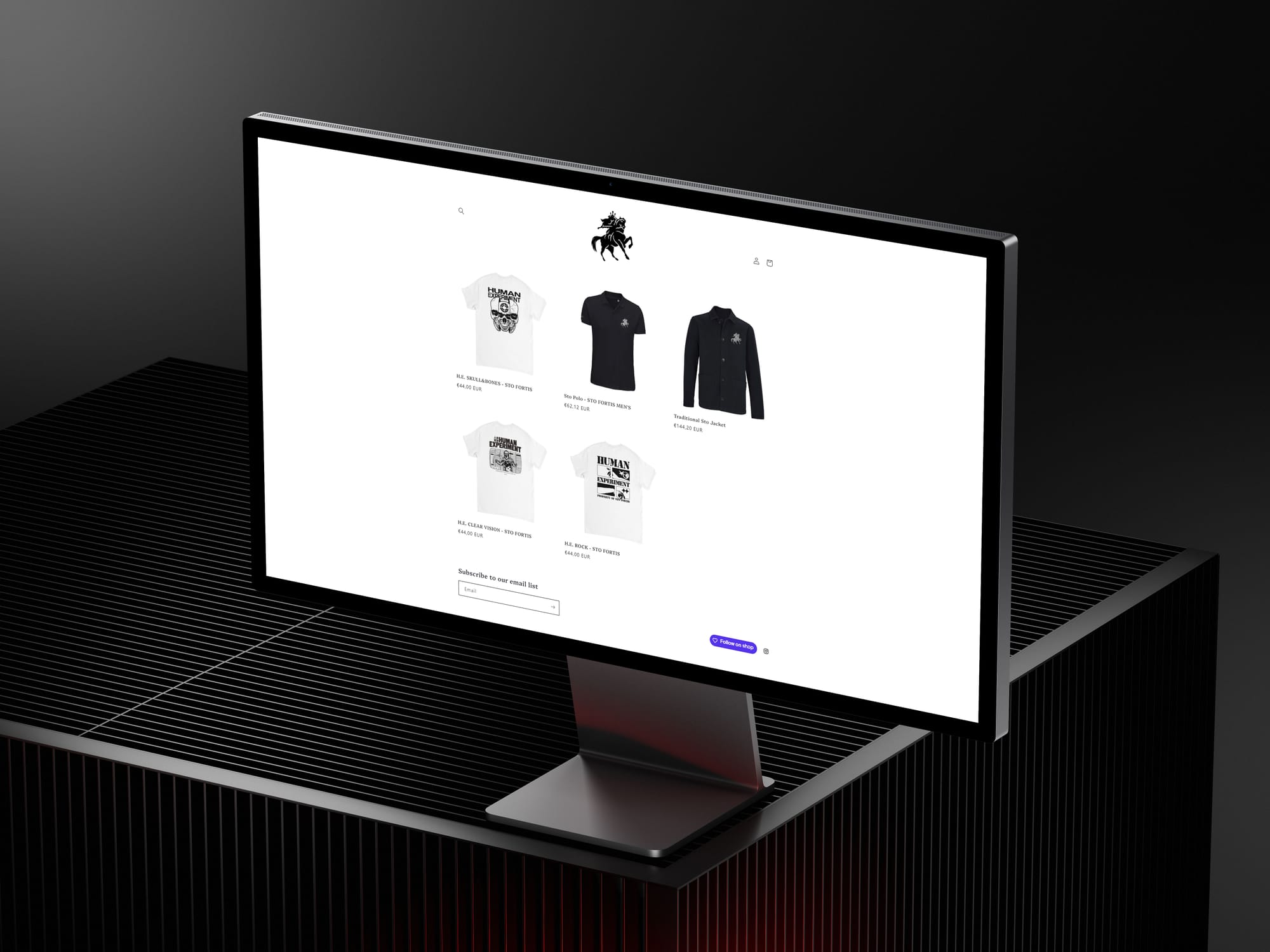
- Minimalist Design & Layout: Built a clean navigation system, that's consistent with the branding
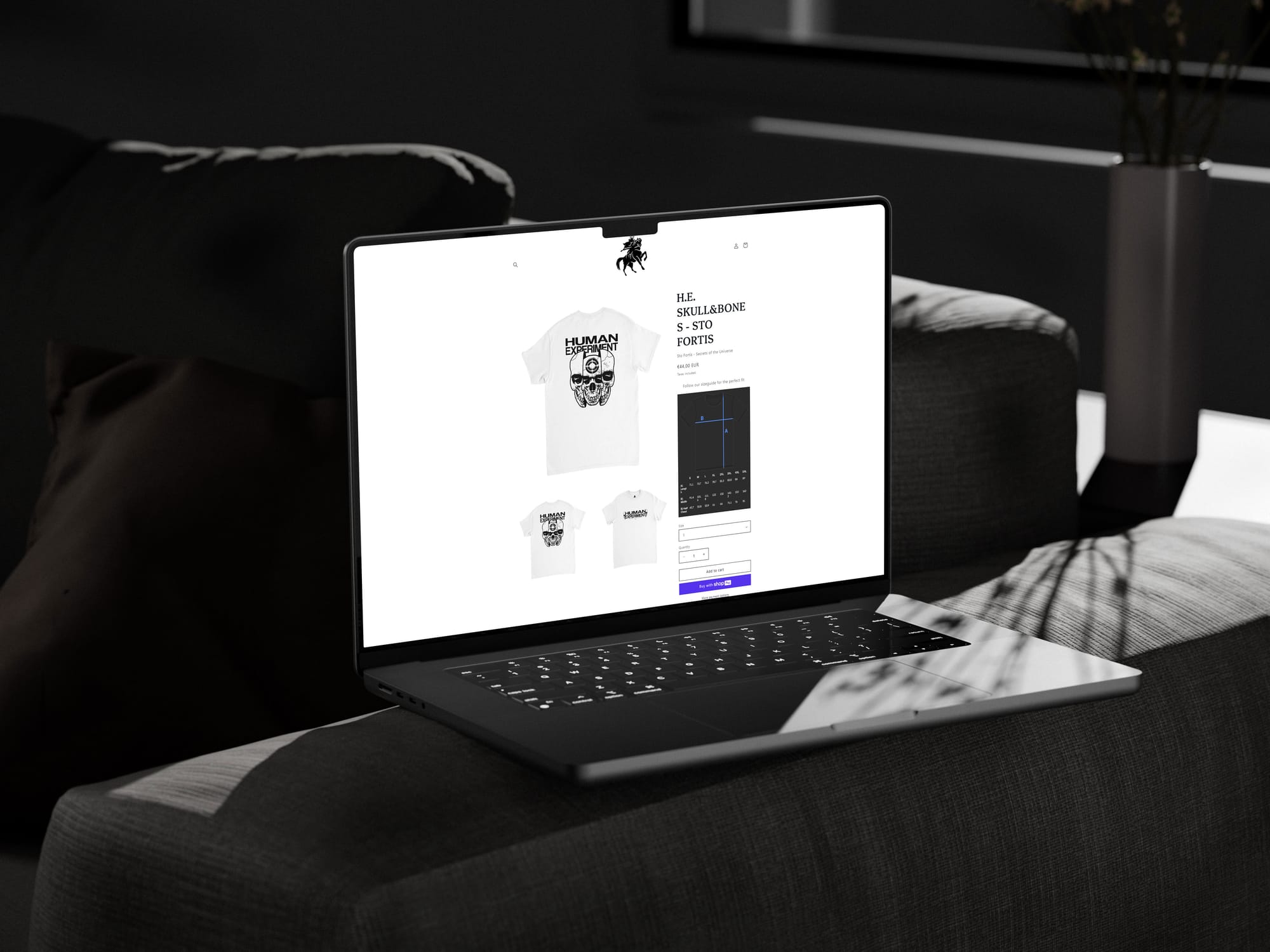
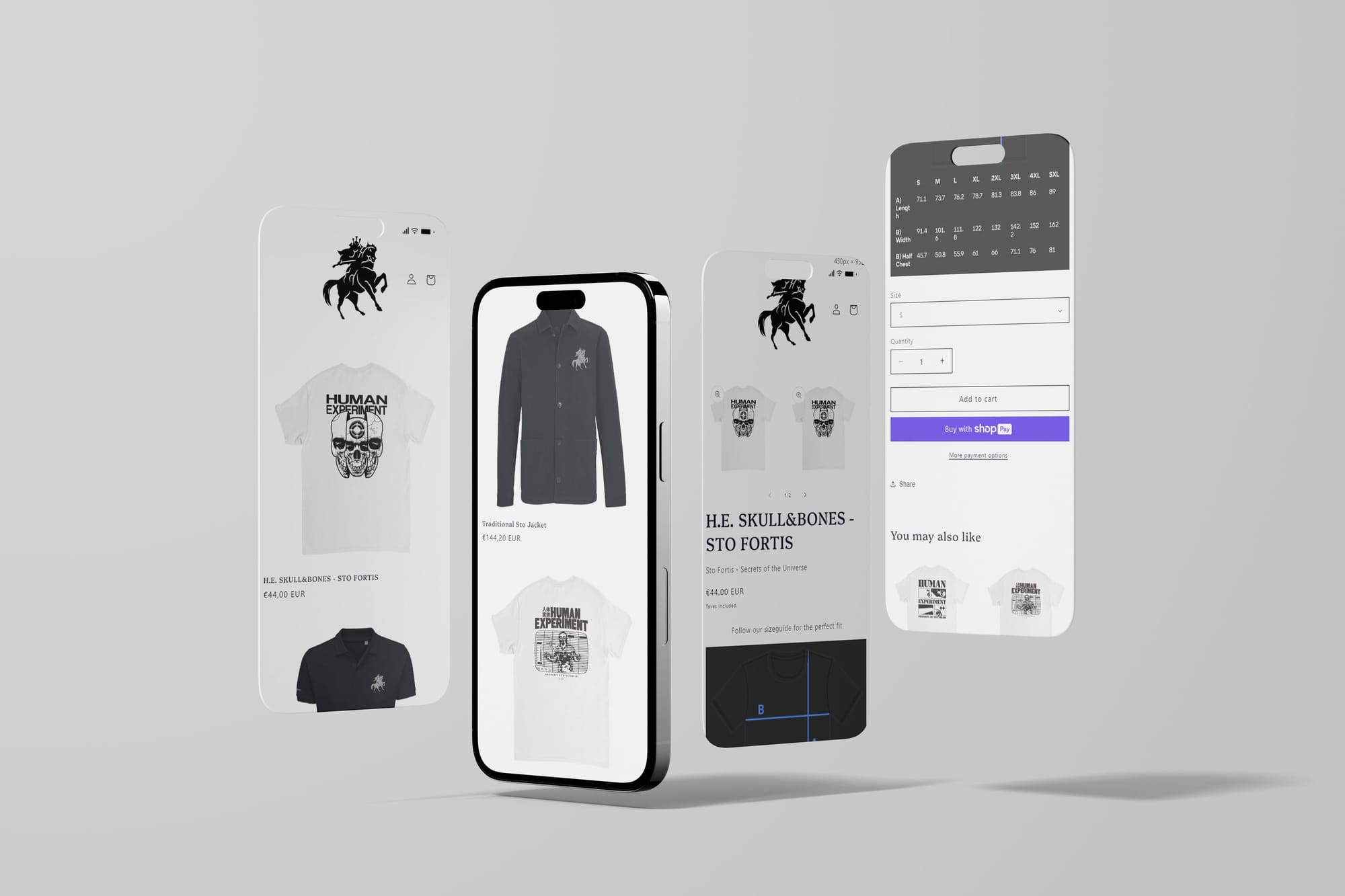
- Product Showcase: High quality visuals, carousel sliders product filters and detailed descriptions
- Streamlined Checkout: One page checkout, guest checkout, saved addresses and payment methods and a progress indicator
Gallery

Technologies Used
- Shopify: For a fast and worldwide payment and shipping hub.
- Figma: For creating and managing design assets and prototypes.
- Storybook: For building an interactive, documented component library.
Challenges and Learnings
- Technical Limitations: Shopify’s Liquid framework restricts advanced customizations (e.g., checkout design, complex JavaScript). Third-party apps may conflict or slow performance.
- Performance: Large images, bloated code, and slow server responses require optimization (lazy loading, minification).
- Design Balance: Achieving minimalism without sacrificing usability (e.g., filters, CTAs) and ensuring responsive layouts.
- User Experience (UX): Reducing checkout abandonment, simplifying navigation, and enhancing search functionality.
- SEO/Accessibility: Clean URLs, alt text, and WCAG compliance (e.g., contrast, keyboard navigation) demand meticulous setup.
- Payment Security: PCI compliance, multi-currency localization, and secure payment gateway integration.
- Cost & Time: High development costs, app fees, and rushed timelines may compromise quality.
- Content Management: User-friendly CMS tools and consistent product data governance.
- Scalability: Handling traffic spikes and future-proofing against Shopify updates.
- Testing: Ensuring cross-browser/device compatibility and bug-free performance.
Measurable outcomes
- One-page checkout reduced the standard Shopify 3-step flow to a single screen.
- LCP under 2.5s on the product pages — meeting Google's "Good" Core Web Vitals threshold on both mobile and desktop.
- Image payload trimmed ~60% by standardizing on responsive WebP assets through Shopify's image pipeline.
- Consistent brand coverage: all marketing, product, checkout and email templates pulled from the same typography and color tokens — eliminating the off-brand drift that's common on theme-based Shopify stores.
- Zero plugin sprawl: shipped with only the apps strictly necessary for payments, shipping and analytics — avoiding the typical 15-plugin Shopify install that tanks performance.